
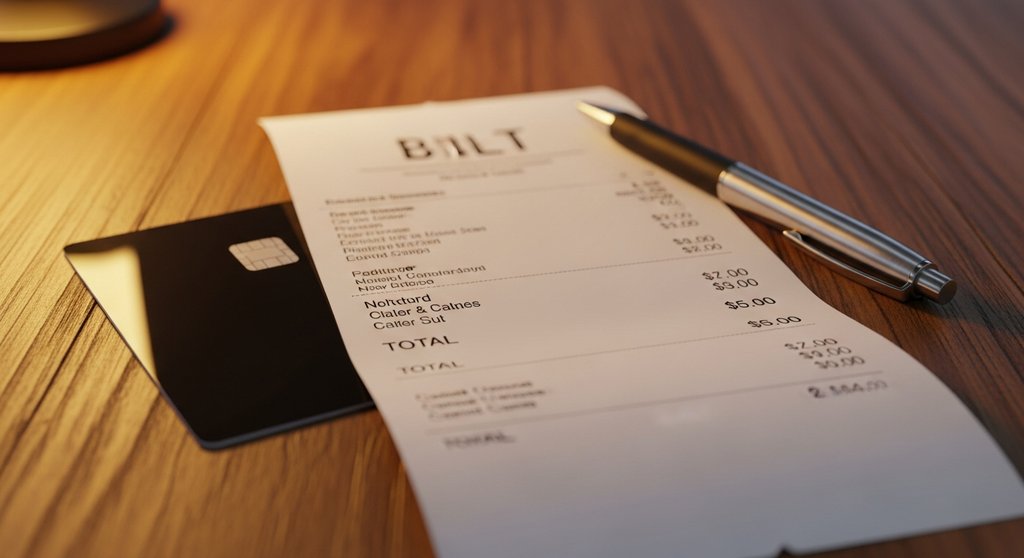
Why 20% Tips Feel Bigger Than They Used To
Restaurant menu prices are still running well above pre-pandemic levels, and that quiet math is making your usual tip percentage quietly painful.
Menu Prices Are Up, So 20% Hits Harder
The Bureau of Labor Statistics has tracked food-away-from-home prices rising faster than general inflation for three consecutive years. A bowl of pasta that cost $18 in 2021 often lists for $24 or $25 now. That same 20% tip jumped from $3.60 to $5.00 on a single dish, before you even order a drink.
Most diners set a percentage and forget it. The percentage feels stable, but the dollar amount keeps climbing as menus update. If you eat out twice a week and each bill averages $60, moving from 18% to 20% over the past few years added roughly $125 in annual tip spending per person, just from the rate bump, and more on top of that from price inflation.
What Service Actually Costs in Mid-2026
Minimum wage floors for tipped workers have risen sharply in California, New York, and a handful of other states, which has already shifted expectations in those markets toward the 22-25% range at sit-down restaurants. In states that still allow a lower tipped minimum, servers depend more heavily on gratuities to meet a livable wage. The geography of tipping etiquette genuinely differs by ZIP code right now. Try the tip calculator to see your own numbers.
Counter-service and fast-casual spots are another story. Tablet prompts defaulting to 20-30% for a transaction where someone handed you a bag across a counter have created real confusion about when a tip is socially expected versus when it's just a default that benefits the payment processor's upsell metrics. Knowing the difference saves money and avoids awkward screen-turning moments.
How to Recalibrate Without Undertipping
One practical approach: anchor your tip to service quality rather than a locked percentage. Solid, attentive service at a full-service restaurant earns 20%. Exceptional service, especially on a large or complex order, warrants 25%. A rushed or inattentive experience can reasonably sit at 15-18%. This keeps your spending honest rather than letting tip-screen defaults decide for you.
For group meals or any bill above $80, doing the mental math under table conversation pressure leads to rounding errors in both directions. A reliable tip calculator lets you punch in the subtotal, pick your percentage, and instantly see the per-person share before anyone reaches for their card. That two-second check removes the awkwardness and makes sure the server actually gets what you intended.
If you are watching a tighter budget right now, being deliberate about tip percentages is not stingy; it is honest. Tipping 18% consistently is meaningfully better for a server than tipping 20% twice and then skipping a third visit because the meal felt expensive. Frequency of patronage matters to staff too.
A Quick Worked Example for a $95 Dinner
Say your bill comes to $95 before tax. At 18% that is $17.10. At 20% it is $19.00. At 22% it is $20.90. The gap between 18% and 22% is less than $4, but picking the right number intentionally rather than defaulting to whatever the tablet suggests is the whole point. If three people are splitting that tab, the per-person difference between those two options is about $1.27. That is easy to absorb and still fair to the server.
The math gets murkier when you factor in service charges that some restaurants now add automatically. A venue that tacks on a 3% 'wellness fee' or 18% automatic gratuity on parties of four or more changes what your voluntary tip should look like. Always scan the bottom of the receipt before adding anything extra on top.