
News & Articles
Finance basics, calculator guides, and personal finance explained.

Missing a single loan payment feels minor, but the math tells a different story. See exactly how one skipped payment extends your loan and raises your total cost.

A 4% yield in utilities means something very different than 4% in tech. Learn how to read dividend yield by sector to make smarter income investing decisions.
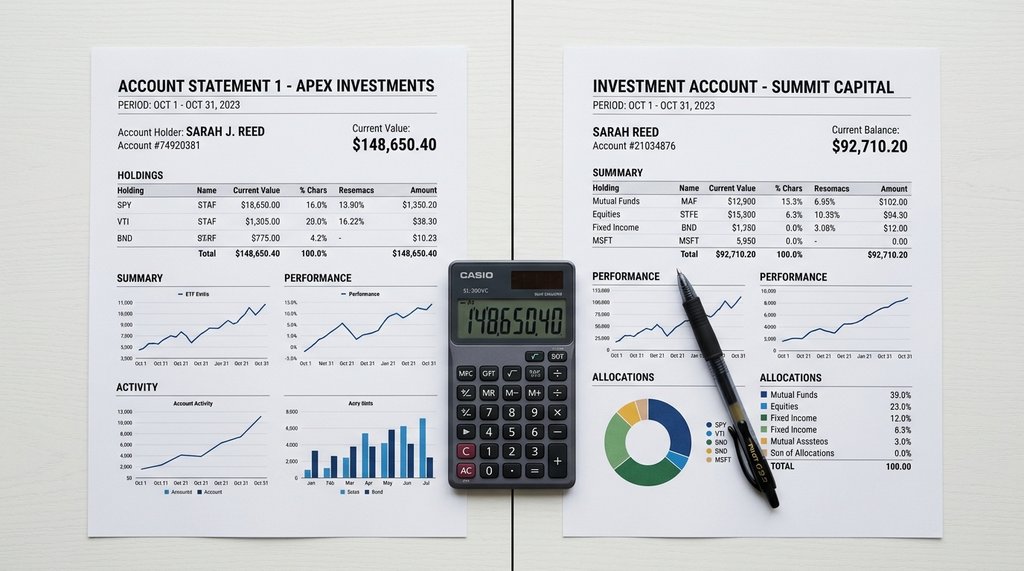
Stop reading lengthy fund prospectuses just to compare returns. The Rule of 72 lets you rank any two investments by doubling time in under a minute.

When your cost of goods jumps 15%, your old markup percentage no longer protects your margin. Here's how to recalculate and stay profitable.

Putting 20% down vs. 10% does more than cut your loan balance. See exactly how down payment size reshapes your monthly mortgage payment and total interest.

Married, single, or head of household? Your filing status can push you into a higher capital gains bracket. Here's what that means for your investment sale.

Inflation can slash the real value of your nest egg without you noticing. See how even 3% annual inflation reshapes your retirement plan and what to do about it.

Manual date math trips up even careful people. Learn how day-counting errors affect loan interest, legal deadlines, and project timelines, with worked examples.

Stretching a car loan to 72 months lowers your payment but costs thousands extra. Here's exactly what that tradeoff looks like in real numbers.

Your bank shows a simple interest rate, but compound interest tells a very different story. Here's how compounding frequency quietly shapes your real returns.

First-time buyers often overlook property tax proration at closing. Here's what that means, how much it can cost, and how to plan ahead.

Great food, slow service, or vice versa? Here's how to calculate a fair tip when part of your dining experience fell short.

Most business owners think in revenue, not units. Here's why calculating your break-even in unit volume changes how you plan production and sales targets.

Many people raid their emergency fund for the wrong reasons. Learn which expenses truly qualify and how to size your fund around real emergencies.

Paying off student loans vs. investing is a real dilemma. Here's how to compare the math and decide which move actually builds more wealth.
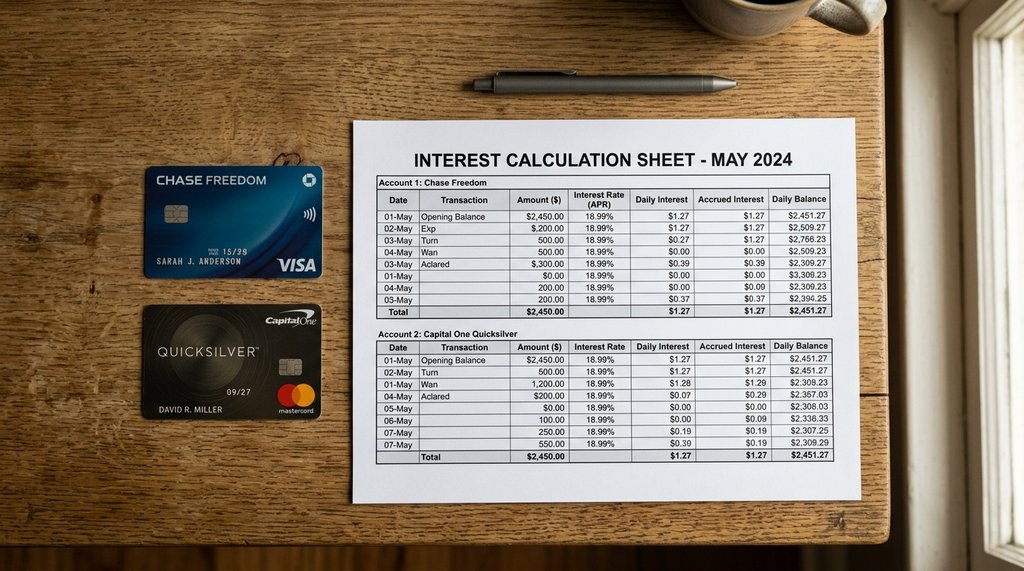
Opening a new credit card while carrying a balance from an old one can backfire fast. Here's how APR stacks up across multiple cards and what it really costs you.

Switching jobs before buying a home can quietly shrink what lenders will offer you. Here's what changes, what stays the same, and how to plan around it.

Changing jobs before your 401k vesting schedule completes can cost you thousands in employer contributions. Here's what to check before you resign.

When interest rates climb, future cash promises shrink fast in today's dollars. Here's how to see exactly how much less using present value math.
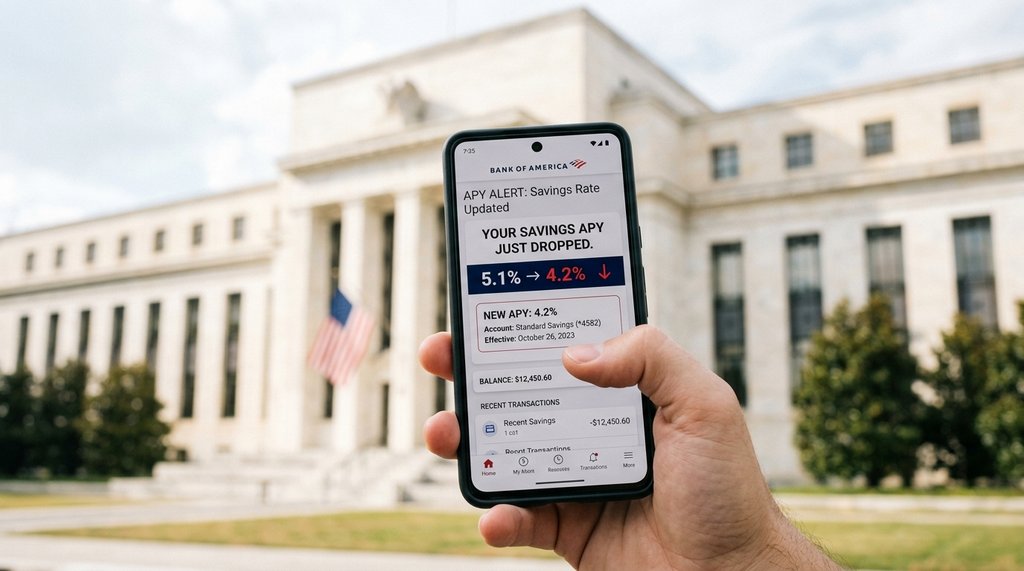
Fed rate cuts shrink your savings APY faster than you think. Here's how to calculate the real impact on your balance before it disappears.

Relocating for work scrambles the rent-vs-buy decision. Here's how to run the numbers before signing anything, and why your timeline matters most.

Minimum payments on credit card debt can stretch repayment to 10+ years. See exactly what you're paying with a debt payoff calculator.

A 5% raise sounds great until inflation is running at 4.8%. Learn how to calculate your real purchasing power and stop mistaking nominal gains for actual wealth.

Most people underestimate how long saving for a goal actually takes. Here's how to calculate a realistic timeline before you fall behind.

Most people undercount their net worth by forgetting key assets. Here's how to get an accurate number and why it matters more than your salary.

Lenders are scrutinizing debt-to-income ratios harder than ever. Here's what your DTI actually means, and what number you need to hit to get approved.

Many investors assume DCA only shines in crashes. Here's why a flat, sideways market in 2026 is actually one of the best environments for the strategy.

Sale signs lie more than you think. Learn why percentage-off math trips up shoppers and how a quick percent calculator saves you from overpaying.
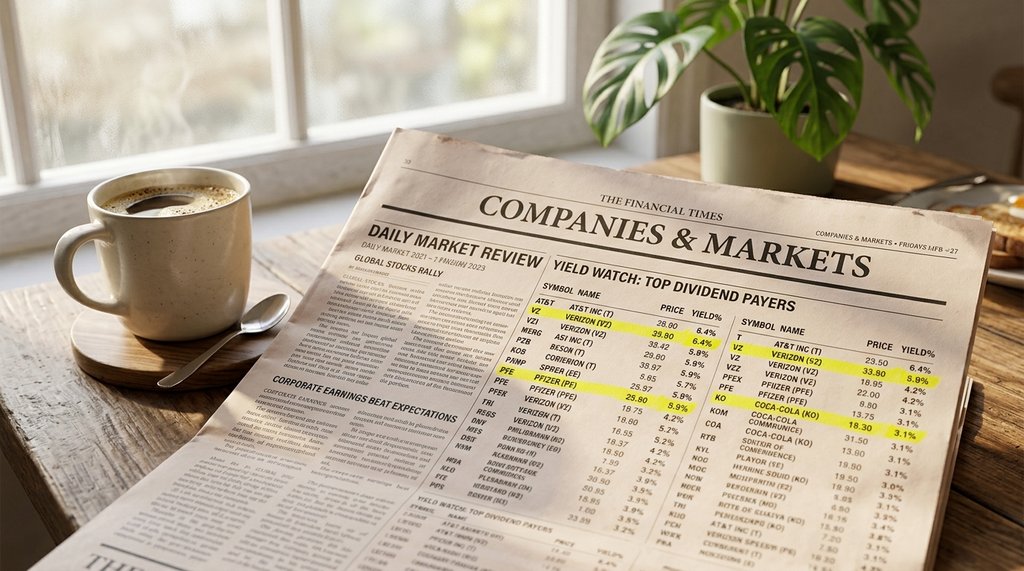
A fat dividend yield can mask a falling stock price. Learn how to spot the difference between a genuine income play and a yield trap before you invest.

Most borrowers focus on the interest rate, not the APR. Here's why that mistake costs real money and how to compare loans the right way.

Most people use the Rule of 72 correctly but apply it to the wrong number. Here's how to stop making that mistake and actually double your money faster.

Most borrowers focus on monthly payments, not total interest paid. See how extra payments can slash years off your loan using an amortization calculator.

The 50/30/20 budget rule is popular advice, but high housing costs break it fast. Here's how to adapt the rule when rent already eats half your paycheck.

Most warranties expire earlier than you think. Learn how to count warranty days correctly and avoid losing coverage on expensive repairs.

Applying a markup to cover costs is easy. Applying the right markup to also absorb rising supplier fees and slow payment cycles is not. Here's the fix.

Paying an extra $200 a month on your mortgage can save tens of thousands in interest. Here's how to run the numbers before you commit.

Retiring at 62 versus 67 is more than a lifestyle choice. See how five years changes your savings runway, Social Security, and monthly income.

The monthly payment on a car loan hides the real cost. Learn how total interest paid reveals the truth before you sign anything at the dealership.

BMI is still widely used by doctors and insurers in 2026, but it misses crucial health data. Here's when your number matters and when to ignore it.

Most investors underestimate capital gains tax at year-end. Learn how holding periods and income stacking quietly inflate your real tax bill before you sell.

Unpaid overtime silently shrinks your real hourly rate. Here's how to calculate what you're actually earning per hour before accepting that next salary offer.

Property tax bills are shocking homeowners in 2026. Here's why your assessment likely jumped and how to estimate what you actually owe before the deadline.

Income-driven repayment plans lower your monthly student loan bill, but they can add years of interest. Here's what the math actually looks like.

Carrying student loans while trying to follow the 50/30/20 budget rule? Here's how to fit debt repayment into the framework without breaking it.

Most people underestimate how much retirement actually costs. Here's the math on sequence risk, inflation, and why your savings target is probably too low.

Dollar cost averaging feels safe and automatic, but it quietly carries an opportunity cost most investors never calculate. Here's what you're actually trading away.

Your credit card's APR isn't what you actually pay each month. Here's the math behind daily periodic rates and why your balance grows faster than you expect.

Most new hires miscalculate when their 90-day probation ends, costing them benefits and raises. Here's how to count it correctly every time.

Many workers contribute just enough to get their employer 401k match, but miscalculate how much that's actually worth. Here's what the math really shows.

Most people use the Rule of 72 to track investments. Flip it to debt and it reveals something much more urgent about what you actually owe.

Switching to biweekly loan payments can shave years off your debt and save thousands in interest. Here's exactly how the math works.

Remote work saves money but adds unpaid hours. Find out how to calculate your true hourly rate before accepting a hybrid or remote salary offer.

A sale tag says 30% off, but your final price still surprises you. Here's why percentage math trips people up and how to fix it fast.

Fixed costs are climbing again in 2026. Here's exactly how rising rent, software, and insurance shift your break-even point and what to do about it.

Confusing markup with profit margin is a common small business error. Learn the real difference and how to price products correctly with a markup calculator.

BMI is still used by doctors and insurers in 2026, but it misses key health signals. Here's what the number actually measures and where it falls short.

The old rule of saving 3 months of expenses is outdated for many households. Here's how to calculate the right emergency fund size for your actual life.

A mortgage pre-approval tells you what you can borrow, not what you can afford. Here's how to find your real number before you make an offer.

That low monthly car payment looks great, but the total interest cost tells a different story. Here's how to read the real numbers before you sign.

Wages rose after the pandemic, but real purchasing power tells a different story. Here's how inflation-adjusted values reveal what your money is actually worth.

Switching jobs feels like a financial win, but signing bonuses, vesting cliffs, and benefit gaps can quietly shrink your net worth. Here's what to track.

Your lender's quoted rate doesn't tell the whole story. Learn what actually drives your monthly mortgage payment and how to estimate the real number before you sign.

Many homeowners are shocked when their property tax bill jumps despite no changes to their home. Here's why it happens and how to estimate your real cost.

Refinancing federal student loans into private ones sounds like a money-saver, but the math often tells a different story. Here's what to run before you sign.

Home prices are cooling in many markets this summer. Here's exactly how a 10% drop in your home's value hits your net worth, and what to do about it.

A $70,000 salary feels solid until you do the math. Learn what your annual pay really works out to per hour, and why the number might surprise you.

BMI is a widely used health metric, but it misclassifies millions of people. Learn when it's useful, when it isn't, and how to read your number correctly.

A $60,000 salary in 2015 buys far less today. Here's how inflation silently erodes real income and what your past dollars are actually worth now.

A 24% APR sounds manageable until you see the monthly math. Learn how credit card interest compounds daily and what it really costs you each statement cycle.

Millions underestimate how inflation quietly destroys retirement savings. See the real math behind your nest egg and how to close the gap before it's too late.

Many investors don't realize one day can shift them from a 0% to a 15% capital gains tax rate. Here's how holding periods change what you actually owe.

A low monthly car payment can mask thousands in extra interest. Learn how loan term length quietly inflates your total cost and what to do about it.

Many workers think they're maxing their 401k match but leave money on the table. Here's how to check your contribution rate and capture every dollar your employer offers.

Savings rates have shifted dramatically. Learn whether your high-yield account is actually outpacing inflation, with real numbers and an APY calculator to check.

Banks advertise CD rates in confusing ways. Learn how APY reveals the true return on a certificate of deposit and which compounding terms actually matter.

Just watched your portfolio drop 30%? Dollar cost averaging during a downturn can rebuild wealth faster than waiting. Here's how the math actually works.

Many workers leave free employer match money on the table without realizing it. Here's how to check if you're contributing enough to capture every dollar.

Freelancers rarely adjust their rates for inflation. Here's how much purchasing power a flat day rate has quietly lost since 2023, and what to do about it.
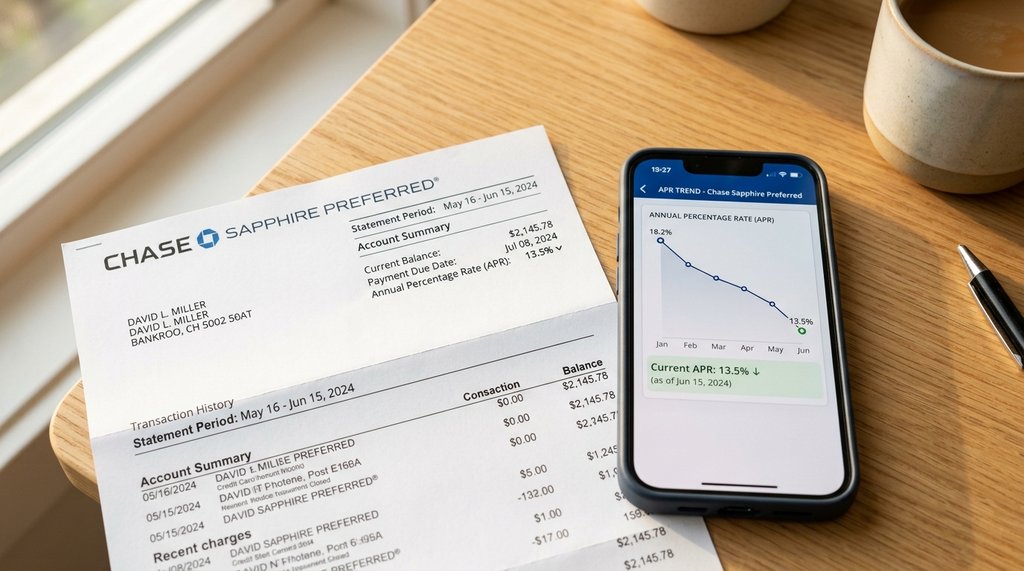
Many cardholders assume a Fed rate cut shrinks their credit card bill automatically. Here's what actually changes, and what stays the same.

Balloon payment loans look cheap on paper, but they can carry a much higher APR than you expect. Here's what borrowers miss before signing.

Banks advertise flashy rates, but small APY differences add up fast. See how much a half-point gap costs you in real dollars before you stay put.

Many renters assume their monthly rent counts in their favor on a mortgage DTI calculation. Here's what lenders actually look at, and why it matters.

A salary jump at 50 or 55 feels great, but it can quietly distort your retirement projections. Here's what to recalculate and why it matters.

Getting a raise can quietly wreck your 50/30/20 budget. Here's why lifestyle creep hits hardest after income jumps and how to reset your numbers fast.

Confusing markup with margin is one of the most common small business pricing mistakes. Here's how to tell them apart and price products correctly.

Dollar cost averaging isn't one-size-fits-all. Where you invest matters as much as how often. Here's what most guides leave out about account type and DCA results.

The '3-month rule' for emergency funds is outdated for millions of Americans. Here's how much you actually need and why the math might surprise you.

Money saved during the pandemic years has quietly lost purchasing power. Here's how much your 2020 savings are really worth in today's dollars.

Confusing markup with margin is a common pricing error that quietly shrinks profits. Learn the real difference with a worked example and fix your pricing today.

BMI is a useful screening tool, but it misses key risk factors. Learn what your number actually means and when to look beyond it for a clearer health picture.

The Rule of 72 reveals how fast money doubles, but most investors misapply it. Learn the real math behind doubling time with concrete examples.

Most people guess their net worth wrong. Here's why liabilities change everything, and how to get an accurate number in under five minutes.

Most buyers ignore the break-even timeline when deciding to buy a home. Here's what the math actually looks like in a mid-2020s rate environment.

When interest rates fall, many borrowers assume their existing loan automatically gets cheaper. Here's what amortization actually means for your balance.

Making minimum student loan payments can leave you in debt for decades. Here's what the math actually looks like and how to fix it fast.

Missing a single dollar cost averaging payment feels harmless, but the compounding math tells a different story. Here's what the numbers really show.

Holding an investment for 366 days instead of 365 can save you thousands in taxes. Here's how capital gains rates work and what most investors get wrong.

Thinking about buying a car, home, or taking on debt? Checking your net worth first can change your decision. Here's why the timing matters.

Waiting for lower mortgage rates could cost you more than buying now. Here's how to think through the timing decision with real numbers.

A 20% discount and a 20% markup are not opposites. Learn why percent calculations trip people up and how to avoid costly math mistakes.

Delivery apps show confusing fees before you tip. Here's how to know what you're actually tipping on, and how to avoid over- or under-tipping.

A 20% APR sounds manageable until you see the monthly math. Learn how daily compounding quietly inflates your credit card balance faster than expected.

Inflation quietly erodes real wages. See how much a 2010 salary is actually worth in 2024 and why most people underestimate cumulative price increases.

Many investors underestimate their capital gains tax bill by forgetting holding periods. Here's what short-term vs long-term rates actually cost you.

Minimum payments feel manageable, but they cost you thousands in interest. See exactly how much with a debt payoff calculator before your next statement arrives.

Adding just $50 to your monthly debt payment can save thousands in interest. Here's the math behind why small extra payments have such a big impact.

Most people undercount assets or forget liabilities when estimating net worth. Here's how to get an accurate number and why it matters right now.

Most investors assume dollar cost averaging always wins. The math says otherwise. Here's what the research shows and when DCA actually makes sense.

Sales tax rates vary wildly by city, county, and state. Here's why your checkout total surprises you and how to calculate the real cost before you buy.

Miscounting days between dates is more common than you think. Learn why manual date math fails and how to get exact day counts fast for deadlines and contracts.

Dollar cost averaging feels safer than lump sum investing, but the math often disagrees. Here's what the data shows and when DCA genuinely wins.

Most people underestimate how long saving $10,000 takes. See how contribution size and interest rate change your timeline dramatically.

Many retirees mistake nominal account growth for real gains. Find out how to tell if your nest egg truly grew or just kept pace with inflation.

A high credit score won't save a mortgage application if your debt-to-income ratio is too high. Here's what lenders actually check first.

Sales tax rates vary wildly by city and product type. Learn why your checkout total always surprises you and how to budget accurately before you buy.

Charging a summer trip and paying it off slowly costs far more than the ticket price. See exactly how APR compounds on a vacation balance left unpaid.

Use the Rule of 72 to instantly spot whether your CD or high-yield savings rate is actually growing your money fast enough. Here's how to apply it.

Balance transfer offers promise big savings, but hidden fees often erase the benefit. Here's how to run the numbers before you move your debt.

Confusing markup and margin is one of the most common small-business pricing errors. Learn the difference and how to price products for real profit.

Miscounting days between dates costs renters and landlords money. Learn how to calculate date differences accurately and avoid expensive lease mistakes.

Taking a career break in your 40s can cost far more than two years of contributions. Here's exactly how much a pause can shrink your retirement nest egg.

Raising prices feels risky, but the math often surprises you. See how a small price increase can dramatically cut your break-even volume.

Most people miscalculate their real hourly rate by ignoring unpaid time off and benefits. Here's what your salary actually works out to per hour.

Many small business owners underestimate their true break-even point by forgetting semi-fixed costs. Here's how to get the number right from the start.

Most small business owners overestimate their break-even point by ignoring variable cost ratios. Here's how to calculate it correctly and price smarter.

Most people misread how credit card APR works daily. Learn how daily periodic rates quietly inflate your balance and what that really costs you each month.

Most savings accounts are losing ground to inflation right now. Learn how to calculate your money's real purchasing power and what to do about it.

Inflation has quietly eroded purchasing power since 2019. Find out how much a dollar from five years ago is really worth today, with real numbers.

Property taxes, HOA fees, and insurance can quietly eat thousands off your home budget. Here's how to calculate what you can truly afford in 2026.

A new baby reshapes every budget category. Here's how to apply the 50/30/20 rule when childcare, gear, and parental leave all hit at once.

Got two job offers with different pay structures? Converting each salary to an hourly rate reveals which one actually pays more. Here's how to do it right.

Most borrowers are shocked to see how little principal they pay in the early months. Here's why amortization front-loads interest and what it costs you.

A $60,000 salary sounds solid, but your real hourly rate might shock you. Here's how to calculate what you actually earn per hour worked.

The old '3-month emergency fund' rule may leave you dangerously short. Here's what the math actually says about how much cash cushion you need right now.

Most people underestimate how long saving takes. A savings goal calculator reveals the real timeline, and what small changes actually move the needle.

Eliminating a car payment can drop your debt-to-income ratio by several points overnight. Here's exactly how that math works before you apply for a mortgage.

High interest rates make future payments worth far less today. Learn how present value math exposes the real cost of deferred settlements and payment plans.

Lenders advertising zero fees sound like a great deal, but the APR often tells a different story. Here's what borrowers miss when fees disappear into the rate.

The 'renting is wasting money' myth costs people thousands. See the real numbers behind renting vs. buying in a high-rate environment.

Discounting your price feels like a sales fix, but it quietly wrecks your break-even math. Here's exactly what happens to your numbers when you drop prices.

High mortgage rates changed the rent vs buy math. See which option saves more money in your city before you sign anything in 2025.

The 50/30/20 budget rule sounds simple, but middle-income earners often find rent alone blows the 50% needs cap. Here's how to fix it.

A low monthly car payment can hide a brutal total cost. Learn how loan term length quietly inflates what you pay and how to spot the trap before you sign.

Shopping multiple loan offers in mid-2026? Here's why comparing APRs instead of interest rates saves you hundreds, with a worked example to prove it.

A low interest rate can hide a brutal monthly payment. Here's what most buyers miss when comparing mortgage offers in 2025.

Co-signing a loan quietly raises your debt-to-income ratio, even if you never miss a payment. Here's what that means for your next mortgage or car loan.

Most people overestimate future payments. Learn how present value math reveals what that lump sum, pension, or settlement is actually worth right now.

Most people guess at a monthly savings number and hope for the end result. Here's how to work backward from your goal and actually get there on time.

Paying the minimum on student loans but watching the balance crawl down? Here's why interest front-loading traps borrowers and how to fix it fast.

BMI is widely used but widely misunderstood. Learn when your body mass index number is a useful health signal and when it genuinely misleads you.

When part of your bill gets comped, most people under-tip badly. Here's the right way to calculate the tip so your server isn't penalized for your discount.

Making minimum payments on a high-APR card feels safe, but the math is brutal. See exactly how much interest eats your balance before you pay it off.

A sky-high dividend yield can signal a bargain or a value trap. Learn how to read yield figures correctly before chasing income in any rate environment.

The classic '3-month rule' for emergency funds leaves millions exposed. Here's why your real number is likely higher and how to calculate it fast.

Retailers use percentage tricks that make discounts look bigger than they are. Learn how to check the real math before you spend a cent.

Keeping your emergency fund in a regular savings account is quietly costing you money. Here's how much, and where to park it instead.
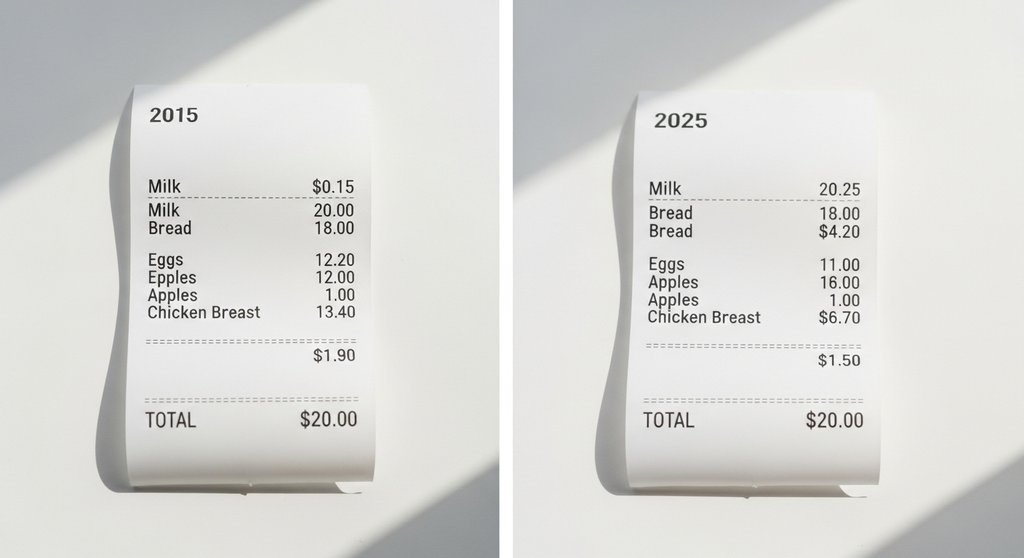
Think your pay raise beat inflation? Most people overestimate their real wage growth. Here's how to check what your old salary is actually worth today.

Weekly vs. monthly dollar cost averaging isn't just a scheduling choice. The interval you pick can meaningfully change your average cost basis over time.

Most people underestimate how long saving takes. See how deposit size and interest rate affect your timeline using a savings goal calculator.

Most people only use the Rule of 72 for investments, but it's just as powerful for tracking debt growth. Here's how to use it smarter in a high-rate environment.

Sales tax rates vary wildly by city and product type. Learn why checkout totals surprise shoppers and how to calculate the exact amount before you buy.

The Rule of 72 is a quick mental math shortcut, but most investors misapply it. Here's how to use it correctly and when it actually breaks down.

Most Americans tip on the post-tax bill without thinking twice. Here's why tipping on the pre-tax subtotal saves real money and how to do it quickly.
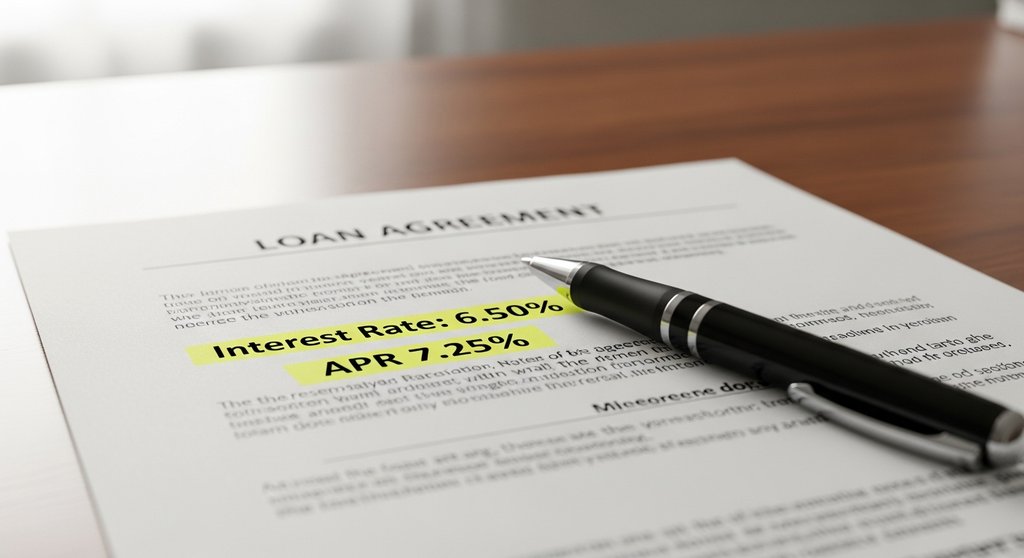
Borrowers often confuse interest rate with APR and end up paying more than expected. Here's what the difference actually costs you in real dollars.

Choosing a 15-year vs 30-year loan isn't just about monthly payments. See how term length quietly triples your total interest cost.

The 50/30/20 budget rule sounds simple, but it quietly fails many middle-income earners. Here's where the math goes wrong and how to fix it.

The '3-month rule' for emergency funds is outdated for many households. Here's how to calculate the right cushion for your actual situation.

Inflation erodes purchasing power silently. Find out what a salary or price from any past year is actually worth in today's dollars, with real numbers.

The 'renting is wasting money' myth costs homebuyers thousands. See what the real numbers say before your next housing decision.

Many new business owners forget variable costs when calculating break even. Here's how to find your real number before you run out of cash.

Tipping by card and tipping in cash can have very different outcomes for your server. Here's what the math and restaurant policies actually mean for your money.
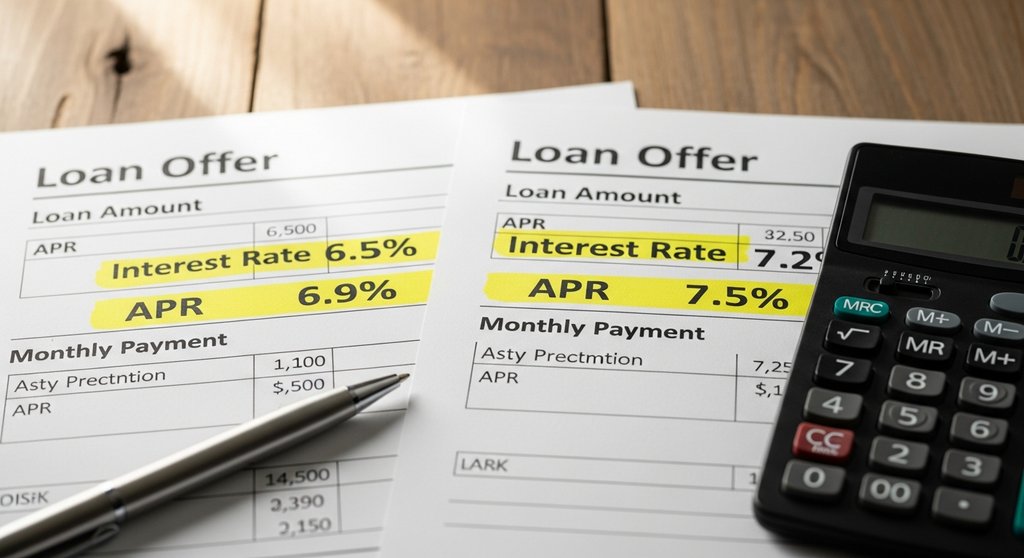
Deferring your first loan payment sounds like a perk, but it can quietly push your APR higher than the rate you signed for. Here is why.

With mortgage rates still elevated in mid-2026, refinancing feels tempting when rates dip. Here's how to calculate whether it actually saves you money.
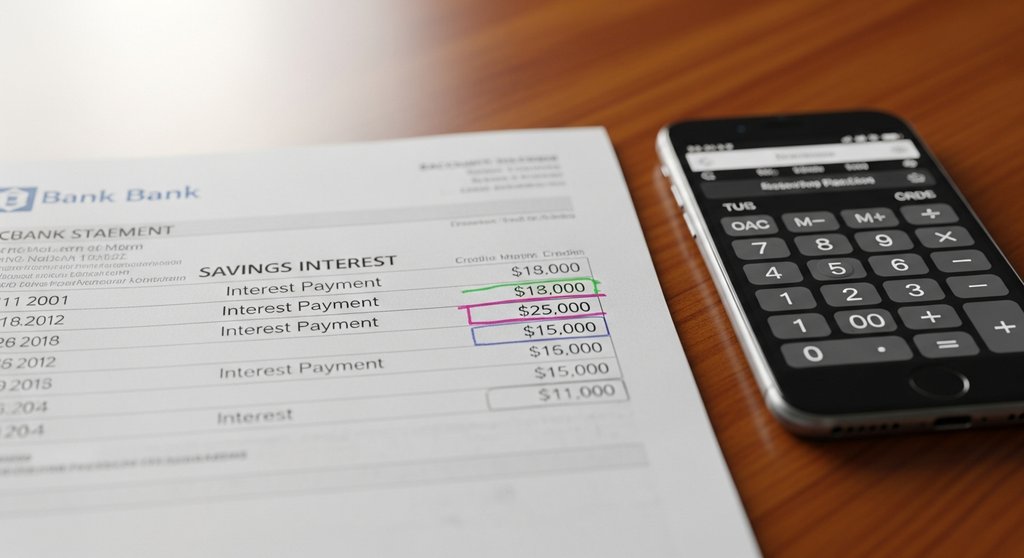
Daily vs. monthly compounding sounds like a small detail, but on a $20,000 balance it can mean hundreds of dollars a year. Here is what the math actually shows.

The '3-month rule' for emergency funds is outdated for millions of households. Here's how to calculate exactly what you need based on your real risk profile.

That house your parents bought for $120,000 sounds cheap until you adjust for inflation. Here's what those old prices actually mean in today's money.

Confused about how much to tip at buffets, counter-service spots, or food halls? Here's what's actually fair and how to calculate it fast.

A 24% APR sounds like a yearly rate, but credit cards charge interest daily. See exactly how much that misconception costs you each month.
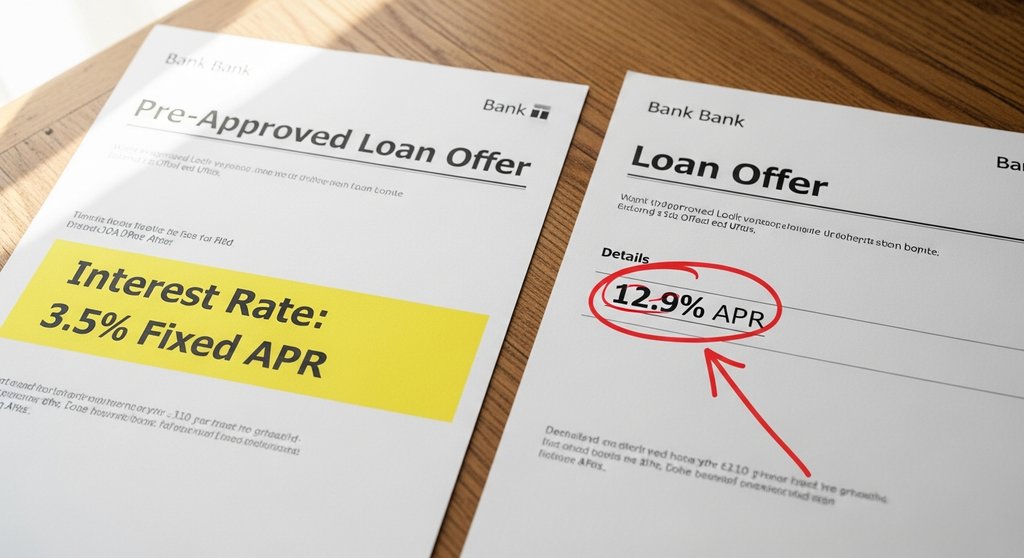
Rates have dipped, but refinancing can still push your APR higher. Here's the math behind why, and how to spot a bad deal before you sign.

A high dividend yield sounds like free money, but it often signals trouble. Learn what the number really means before you buy income stocks.

A $60,000 salary in 2015 buys much less today. Learn how cumulative inflation quietly erodes real income and how to calculate the true difference.

A low monthly car payment often hides a much higher total cost. Here's how to spot the real price of your auto loan before you sign anything.

Rising interest rates quietly shrink your net worth even when your income stays the same. Here's what changed and how to recalculate accurately.

Buyers will push back. Learn how to build a markup that gives you room to negotiate without slipping below your break-even price.

The 'save 10% and you're fine' rule is dangerously outdated. Here's what modern retirement math actually looks like and how to fix your number fast.

Sales tax, fees, and stacked discounts distort what you actually save. Here's how percentage math tricks shoppers and how to check your receipts fast.

A 1% mortgage rate shift can move your affordable home price by tens of thousands. Here's exactly how the math works and what to watch right now.

A $60,000 salary in 2015 buys far less today than it did then. Here's how to use inflation-adjusted value to see what your money really lost.

A 24-month personal loan can carry a higher APR than a 60-month one. Here's why shorter terms distort the true cost and how to compare loans fairly.

BMI can flag you as overweight even when you're healthy. Here's what the number actually measures, where it fails, and how to read it correctly.

Low monthly payments on car loans often hide sky-high total interest costs. Here's how to spot the real price of financing your next vehicle.

Banks advertise APR, but your money grows at APY. Learn why these two rates differ and how compounding frequency quietly changes your real return.

High mortgage rates have flipped the rent vs buy math in dozens of U.S. cities. Here's how to run the real numbers before you commit to a 30-year loan.

Paying just $50 extra toward credit card debt each month can save hundreds in interest. Here's the math most people miss and how to use it.

Persistent menu price inflation means your standard 20% tip now costs noticeably more. Here's how to recalibrate without undertipping your server.

A 24% APR sounds annual, but credit cards charge interest daily. See exactly how much that misconception costs you each month with real numbers.

A mortgage pre-approval tells you what a lender will give you, not what you should spend. Here's how to find your real home affordability number.

CD rates hit multi-decade highs and many savers are still sitting in 0.5% savings accounts. Here's how to calculate what you're actually leaving on the table.

Lenders use your debt-to-income ratio as a hard cutoff, not just a guideline. Learn why 43% matters and how to check yours before applying.

BMI is widely used but frequently misunderstood. Learn when the number is genuinely useful, when it misleads, and how to read your result with context.

Most people assume DCA always wins. The data tells a different story. Here's when dollar cost averaging helps and when it quietly costs you returns.

Most borrowers are shocked how little principal they pay in early months. Here's why amortization front-loads interest and what to do about it.

Adding freelance or gig income to your debt-to-income ratio isn't as simple as it looks. Here's what lenders actually count and what they ignore.

A home renovation can trigger a reassessment that spikes your property tax bill. Here's how to estimate the hit before you swing the first hammer.

Many investors don't realize holding a stock one extra day can slash their tax bill. Here's how short vs long-term capital gains rates actually work.

Group dining bills are notoriously messy to split fairly. Here's how to divide the tip correctly and avoid awkward shortfalls at the table.

Most people guess their retirement savings target too low. Here's the math behind why, and how to calculate a realistic number before it's too late.

Many borrowers confuse interest rate with APR and end up paying more than expected. Here's what the gap actually means for your next loan.

Lenders approve you for the maximum they'll lend, not the maximum you should spend. Here's how to find your real home affordability number.

BMI is useful but widely misunderstood. Learn what your number actually means, where it fails, and how to use it alongside other health markers.

Your credit card APR isn't charged once a year. Learn how daily compounding quietly inflates what you owe and how to calculate the real cost fast.

Lenders bury origination fees, broker charges, and prepaid interest inside APR. Here's how to spot what you're actually paying before you sign.

The Rule of 72 is a handy shortcut for doubling time, but most people apply it wrong. Here's what it actually tells you and when to trust it.

Banks approve you for more than you can comfortably afford. Here's how to find your real monthly mortgage limit before you fall in love with a house.

Millions underestimate how much they need to retire comfortably. Here's the math behind the shortfall and how to fix your projection now.

Many entrepreneurs get their break-even math wrong by ignoring semi-fixed costs. Here's how to find the real number before you open the doors.

Many borrowers are surprised by their actual monthly student loan bill. Here's what's really driving the number and how to calculate it accurately.

CD rates have shifted heading into mid-2026. Here's how to calculate your real return before you commit to a term, including the tax bite you might be missing.

The Rule of 72 reveals how long your money takes to double. With rates shifting in 2026, here's why this shortcut is more useful than ever.

A low monthly car payment sounds great, but it can cost thousands extra in interest. Here's what to check before you sign anything at the dealership.

Your lender's mortgage quote rarely matches your actual monthly payment. Here is what gets left out and how to calculate the real number before you sign.

The 50/30/20 budget rule works at modest incomes but breaks for high earners. See why needs shrink as income rises, with a $40k vs $150k example.

Most people guess their net worth from their bank balance and get it wrong. Here is how to count every asset and liability and find your real number.

The claim that renting throws money away ignores owners' non-equity costs and the opportunity cost of a down payment. Here is the honest rent vs buy math.
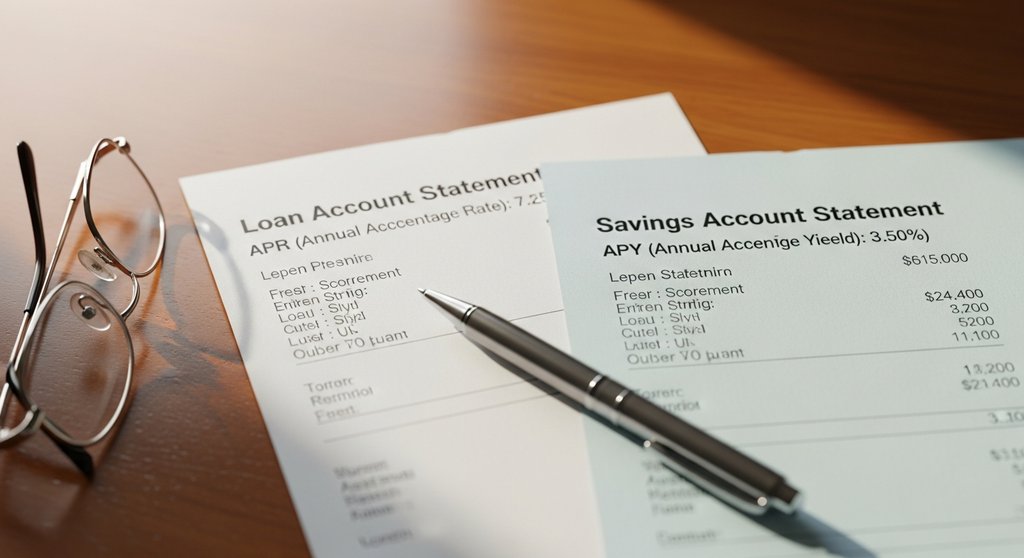
APY includes compounding and APR does not. Learn why a savings APY beats the stated rate and why a loan APR understates cost, with a worked example.

Most owners miscalculate break-even by ignoring variable costs. Learn the contribution margin formula with a worked small-business break-even example.

Tipping on the pre-tax or post-tax total changes your bill by only cents to a couple dollars. See US tipping norms and a worked example on an $80 check.

Holding an investment one year and a day instead of less can cut your capital gains tax in half. Here is how short-term and long-term rates really work.

A dollar in five years is worth less than a dollar today. Here is how present value and the discount rate work, with a worked example on $1,000 in the future.

Your savings goal feels stuck because monthly contributions, interest, and time interact in ways most plans ignore. See a worked $20,000 savings example.

Dollar cost averaging in a rising market often trails lump-sum investing, but it still protects against bad timing. Here is what DCA really buys you.

A great credit score can still get a mortgage denied. Here is how lenders use your debt-to-income ratio, the 43% threshold, and front-end vs back-end DTI.

A static emergency fund quietly loses buying power every year. Here is how inflation erodes your cash cushion and how to top it up and where to hold it.

Paying only the minimum or stretching to an extended term can double what a student loan costs. Here is how interest piles up and how extra principal helps.

A 401k employer match is free money, but front-loading contributions or under-saving can forfeit it. Here is how match formulas work and how to keep it.

The student loan grace period is six months, but interest can accrue and capitalize during it. Here is what that does to your first payment and balance.

Markup and margin use the same dollars but different bases, so a 50% markup is only a 33% margin. Here is how to tell them apart and price correctly.

A mortgage pre-approval is the most a lender will give you, not what you can comfortably afford. Here is the gap between the ceiling and a real budget.

Most people guess their student loan payment too low because they ignore amortization. Here is how the standard 10-year payment is really calculated.

BMI is a quick screening tool, not a verdict. Learn the formula, where BMI misleads for athletes and older adults, and what to check alongside the number.

Size your emergency fund by essential monthly expenses, not income. See when the 3-month rule falls short and a worked example for sizing your safety net.

A percent calculator helps avoid the everyday errors people make with tips, sales tax, and discounts. Here are the mistakes and how to get the math right.

Your true hourly rate is lower than the salary-to-hourly math suggests once you count unpaid overtime, commuting, and job costs. Here is how to find it.

A high dividend yield can flag a falling stock price or an unsustainable payout. Learn the yield formula, the payout ratio test, and how to spot a yield trap.

Interest rate vs APR explained: APR folds in fees, so it runs higher. Learn why, how to compare loans fairly, and a worked example with origination fees.
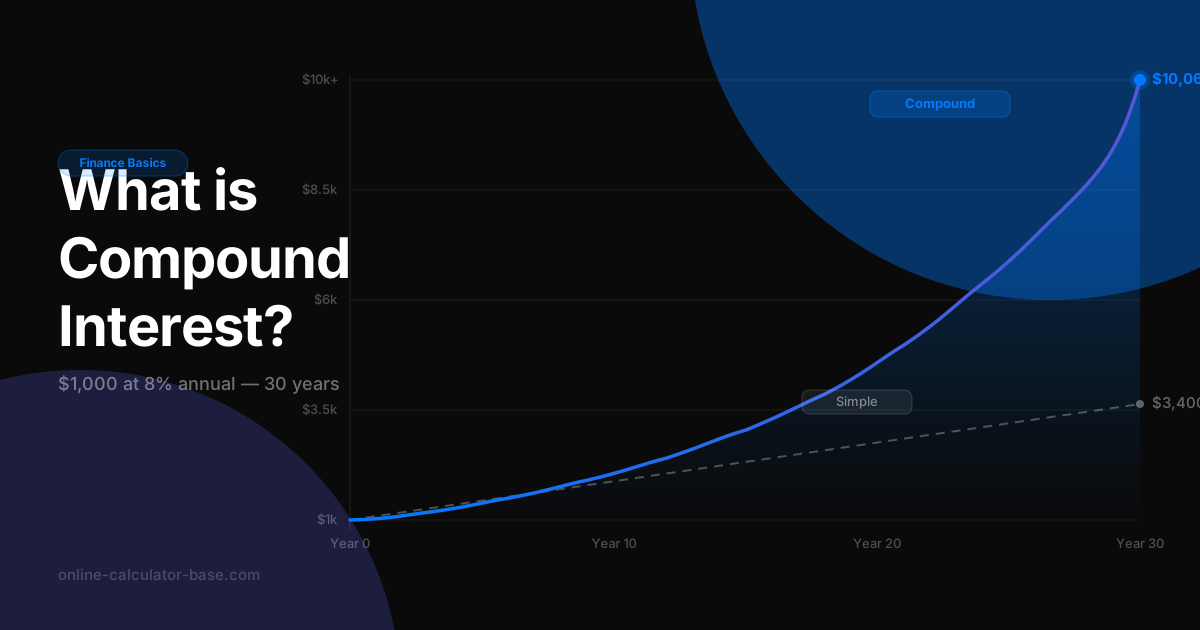
Learn how compound interest works, see a real $1,000 example, and discover why starting early makes such a big difference.

Lottery, pension, and settlement offers force a lump sum vs annuity choice. See how the discount rate and present value decide which deal is actually larger.

A rent vs buy breakdown using the price-to-rent ratio and breakeven math. See the hidden costs of owning and the cities where renting still wins in 2026.

The Rule of 72 estimates how long money takes to double. See where the shortcut stays accurate, where it drifts, and worked examples at 6%, 9%, and 12%.

A 2015 salary buys less today thanks to cumulative inflation. Learn the difference between nominal and real pay and how to compare wages across the years.

The car loan total you pay can far exceed the sticker price. See how term length and interest rate quietly inflate what that vehicle really costs you.

Small extra principal payments cut total interest and shorten payoff time fast. See a worked example of how an extra $100 a month transforms a loan.

Your credit card APR understates what a balance really costs. Learn how the daily periodic rate and compounding push the effective cost past the stated APR.

Rising home values and millage rates both shape your property tax bill. Learn how assessments, caps, and appeals decide what you actually owe each year.

Converting an annual salary to a true hourly rate reveals what you really earn. Here is how unpaid extra hours quietly shrink your real pay per hour.

Counting the exact days between two dates sounds simple, but lease deadlines and notice periods trip people up. Here is how to count days correctly every time.