
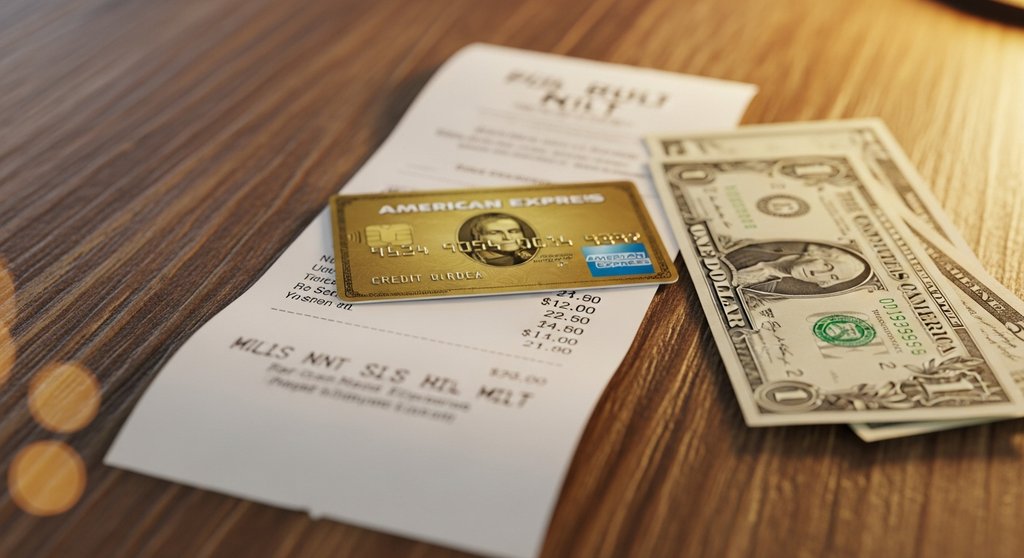
Tipping on a Card vs. Cash: Does It Actually Matter?
Most people treat a card tip and a cash tip as identical, but for the person serving your table, the difference can be significant.
Why Card Tips and Cash Tips Land Differently for Servers
When you tip on a card, the restaurant processes the full charge and distributes the tip amount to staff, sometimes the same night, sometimes days later on a regular payroll cycle. Cash tips, on the other hand, go directly into a server's pocket at the end of the shift. That timing difference matters when someone is paying rent tomorrow.
There is also a tax reporting angle. Employers are required to report credit card tip income to the IRS, and that amount flows through payroll with withholding applied. Cash tips are technically taxable too, but the reporting burden falls on the employee. This is not a loophole argument, just a practical reality that restaurant workers are aware of and that shapes how they prefer to be tipped.
Credit Card Processing Fees Quietly Eat Into What Servers Take Home
Here is a detail most diners never think about. Many restaurants deduct credit card processing fees, typically 2 to 3.5 percent, from total sales before splitting out tips. Some states prohibit deducting those fees from tip income, but many do not. In practice, a $10 card tip might net a server $9.65 or less after the restaurant passes through its processing cost. Try the restaurant tipping calculator to see your own numbers.
On a $150 dinner tab with an 18 percent tip, that works out to $27 intended for your server. After a 2.5 percent processing fee, they may actually receive $26.33. It sounds small, but multiply that across 30 tables a week and it adds up to over $100 a month quietly clipped from take-home pay.
Running a quick calculation before you leave, using a tip calculator that splits percentages clearly, helps you see whether bumping from 18 to 20 percent bridges that gap on a given bill.
When Tipping on a Card Is Actually the Better Move
Cash tips are not always the clear winner. In restaurants that operate tip pools, cash a server receives personally may still need to be pooled with bussers, runners, and bartenders. Card tips often go through the same pooling process automatically, which means there is no practical difference to the individual worker. Ask your server if you are curious about how a specific place operates.
Card tips also create a paper trail that protects both parties. If a dispute arises about whether a tip was paid, a credit card statement settles it. For high-value meals at business dinners or celebrations, that documentation can matter for expense reporting.
The cleaner takeaway is this: the percentage you tip almost always matters more than the method. Whether you pay by card or cash, use a restaurant tipping calculator to confirm the exact dollar amount before you round up or down casually.
A Simple Rule for Deciding Which Way to Tip
If you have cash on hand and you are at a smaller, independently owned restaurant, cash is generally appreciated more directly. At a large chain or hotel restaurant where tip pooling is standard and payroll is automated, the method matters much less than the amount.
Either way, committing to a specific percentage rather than eyeballing a round number is the most respectful habit you can build. Fifteen percent on a $43 check is $6.45. Twenty percent is $8.60. Those are not figures most people calculate accurately in their head after two cocktails, which is exactly why running the numbers before you sign anything is worth the ten seconds it takes.